Standards
Every PureStalk straw is built with ultra-thick wall construction (best-in-class 0.2 mm) for superior strength, crush resistance, and durability that never gets soggy. Testing and specifications are guided by our in-house science team with PhD backgrounds in polymer science and environmental engineering.
Our Quality Assurance Process
Raw Material Testing
We test every batch of plant-based materials before production starts.
• Moisture content screening• Impurity analysis
Production Monitoring
Continuous quality checks during manufacturing keep performance consistent.
• Wall thickness held above 0.2 mm on every run• Thickness uniformity and crush-resistance checks
• Strength testing
Final Product Testing
Each production run is tested before it ships.
• Performance testing• Visual inspection
• Packaging integrity
Ongoing Verification
Regular testing checks that the performance claims hold up.
• Regular retesting• Customer feedback
• Continuous improvement
Precision Manufacturing Process
Every PureStalk straw is made in our Ohio facility on precision extrusion equipment with strict quality control.
Step 1. Raw Material Preparation
Upon arrival, raw materials are rigorously tested for impurities and contaminants, and are then stored in moisture and temperature controlled conditions until processing.
Step 2. Precision Extrusion
Dried materials are fed into extruders where it's heated, mixed, and formed into continuous tubes. We monitor the key parameters constantly.
- Melt temperature (±2°C tolerance)
- Die temperature and geometry
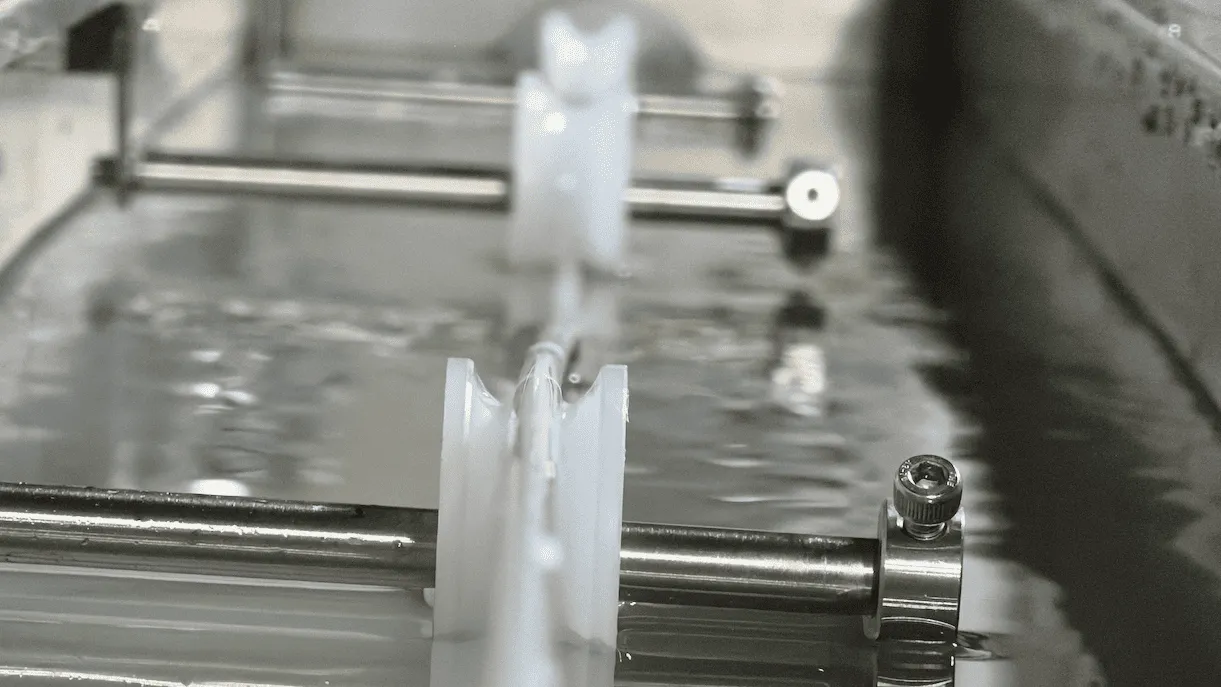
- Cooling water temperature and flow rate
Step 3. Dimensional Control
Extruded tubes pass through precision sizing dies and calibrated cooling systems to hit the target dimensions. Inline measurement keeps diameter, wall thickness, and length within tolerance for superior consistency.
Step 4. Cutting & Inspection
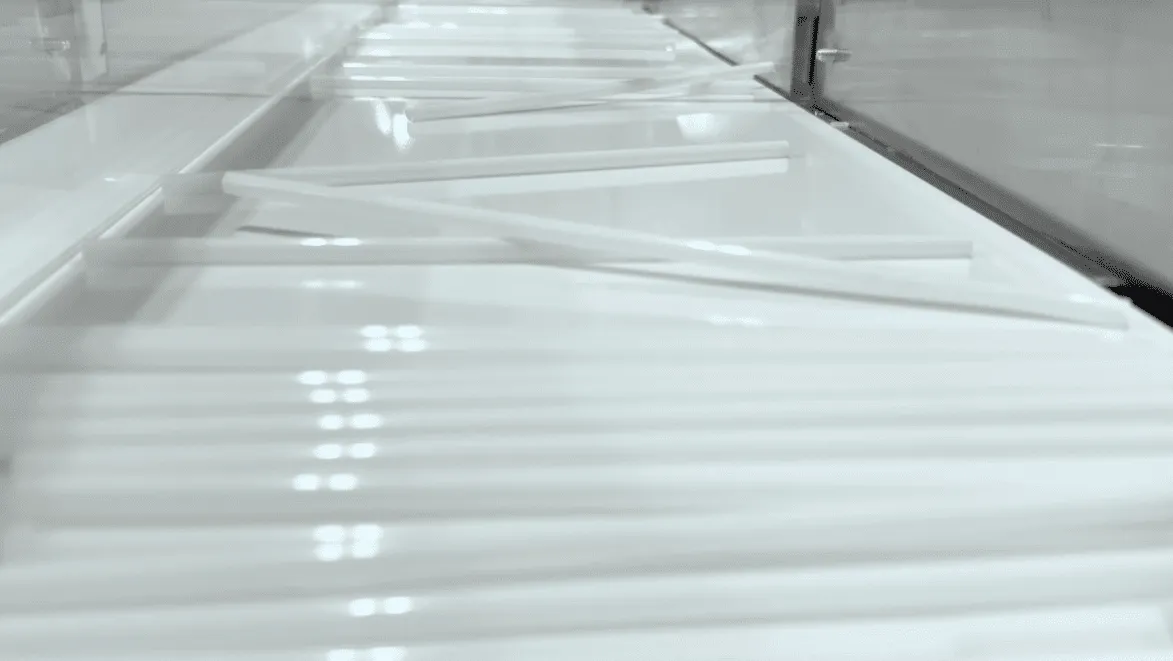
Tubes are cut to length by automated flying cutters. Random samples from each production run go through dimensional checks, visual inspection, and functional testing.
Performance Testing Standards
CelluMeld™ specs are verified through controlled testing so performance stays consistent batch to batch.
Temperature Tolerance Verification
C-Series
Samples are submerged in water at 110°F for 24 hours, then checked for structural integrity. Straws have to keep their dimensions and resist softening.
M-Series
Samples are submerged in water at 140°F for 24 hours, then checked for structural integrity. The higher glass transition temperature gives M-Series better heat tolerance.
Structural Performance Testing
Straws have to hold up under simulated use:
- Crush and squeeze resistance
- Bending without kinking or breaking
- Puncturing sealed lids without splitting where applicable
- Extended immersion without softening or dissolving
- Stirring without structural failure
Finished Product Testing
Before release, samples from each batch are tested.
| Test | Specification | Method |
|---|---|---|
| Diameter | Target ±0.1mm | Taper bore gauge |
| Length | Target ±1.5mm | Ruler measurement |
| Wall Thickness | 0.2 mm minimum (±0.05 mm measurement tolerance) | Digital micrometer measurement |
| Structural Integrity | 24-hour soak test | Water immersion at target temperature |
| Visual Quality | No cracks, splits, discoloration | Operator inspection |
Questions About Our Standards?
Our technical team can walk you through testing methods, compliance, and regulatory approval for your specific needs.