The Heat Challenge for Compostable Straws
Outdoor events present a few specific challenges:
- Direct sunlight. Can heat straw surfaces to 130-150°F.
- Ambient heat. Summer temperatures of 90-110°F+.
- Vehicle storage. Delivery vans and trucks can hit 120-150°F inside.
- Long exposure. Straws sit out for hours before use.
- No climate control. Unlike indoor restaurants.
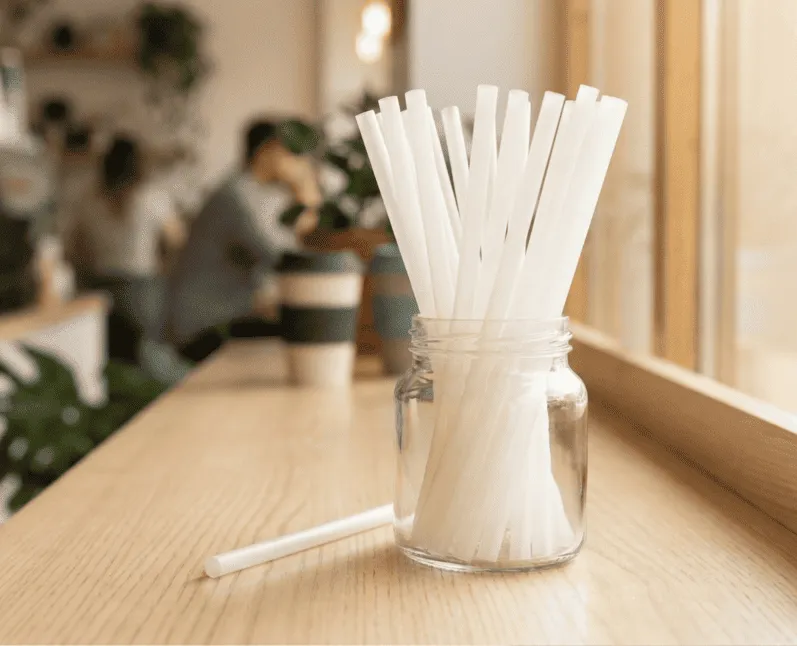
PHA straws
Material Performance in Heat
| Material | Heat Tolerance | Direct Sun | Hot Vehicle | Outdoor Rating |
|---|---|---|---|---|
| PHA | Up to 140°F | Excellent | Good (with precautions) | Best choice |
| PLA | Up to 110°F (or higher with crystallization) | Caution needed | Risk of softening | Usable with care |
| Paper | N/A (sogginess issue) | Faster breakdown | Heat + humidity = fast degradation | Not recommended |
Why PHA Wins for Outdoor Events
Better Heat Resistance
- 140°F heat deflection temperature vs PLA's 110°F
- 30°F safety margin makes a real difference in the field
- Won't soften in typical summer conditions
- Holds rigidity even in hot vehicles
Real-World Outdoor Performance
- Beach events. Direct sun and sand heat. PHA handles it.
- Summer festivals. All-day exposure without softening.
- Food truck operations. Storage in hot trucks is safer.
- Catered outdoor weddings. Reliable performance.
- Poolside or patio service. Heat-resistant for outdoor dining.
When PLA Can Work Outdoors (With Precautions)
Suitable Scenarios for PLA
- Cooler climates. Outdoor temps consistently under 90°F.
- Shaded venues. No direct sun on straws.
- Short events. Straws not sitting out for hours.
- Climate-controlled transport. AC vehicles for delivery.
- Evening events. Cooler nighttime temperatures.
Precautions for Using PLA Outdoors
- Store in coolers or insulated containers until needed
- Keep in shade. Use covered boxes or bins.
- Don't leave in hot vehicles for long periods
- Distribute small quantities at a time
- Have a backup supply in a climate-controlled area
Why Paper Fails in Outdoor Heat
Heat Plus Humidity
Paper straws have a tougher time outdoors:
- Heat speeds breakdown. Adhesives weaken faster.
- Humidity makes it worse. Moisture absorption accelerates.
- Condensation on cold drinks. External moisture plus heat means rapid sogginess.
- Long sipping time. Outdoor events often mean slower consumption.
- Customer complaints rise. "My straw fell apart in the heat."
Outdoor Event Straws That Hold Up
PureStalk PHA straws are built for outdoor performance. Order samples or shop standard sizes for your toughest conditions.
Best Practices by Event Type
Beach and Poolside Events
- Material. PHA (heat and sun resistance).
- Storage. Covered bins in shade.
- Transport. Insulated coolers if the vehicle lacks AC.
- Distribution. Refill often. Don't overfill dispensers.
Summer Festivals and Fairs
- Material. PHA for hot climates. PLA acceptable in moderate temps.
- Booth setup. Straws under canopy or tent, not in direct sun.
- Quantity. Bring 2-3 hours of supply at a time.
- Backup storage. Keep reserves in a vehicle with AC running.
Food Trucks
- Material. PHA recommended. Trucks get hot.
- Storage location. Inside the truck near AC vents.
- Avoid. Storing near grills, fryers, or heat sources.
- Restock strategy. Smaller, more frequent restocking.
Outdoor Catering
- Material. PHA for reliability.
- Transport. Climate-controlled vehicle or insulated containers.
- On site. Keep in shade, in covered containers.
- Staff training. Handle with care. Don't leave in the sun.
Patio and Outdoor Dining
- Material. PHA for hot climates. PLA acceptable elsewhere.
- Storage. Indoor straw station with server retrieval.
- Alternative. Servers bring straws with drinks.
- Self-service. Only if shaded and checked often.
Regional Considerations
Hot Climate States (Always Choose PHA)
- Arizona, Nevada, New Mexico
- Southern California, Texas, Florida
- Louisiana, Georgia, South Carolina
- Any location with regular 95°F+ summers
Moderate Climates (PLA Usually Fine)
- Pacific Northwest, Northern California
- Midwest (except peak summer outdoor events)
- Northeast (except peak July and August)
- Mountain states (high altitude means cooler)
Seasonal Strategy
- Summer (June-August). PHA for outdoor events nationwide.
- Spring and fall. PLA acceptable for most outdoor venues.
- Winter. Any material works. Cold helps PLA and PHA.
Frequently Asked Questions
Will PLA straws melt in my car in summer?
They won't melt (melting point is 340°F+), but they may soften if the car interior exceeds 120°F and straws are under pressure. The fix. Don't store large quantities in hot vehicles, or use PHA, which tolerates higher temperatures.
Can I use PLA for summer outdoor events?
Depends on your climate and setup. In moderate climates (under 90°F) with shaded storage, PLA works fine. In hot climates (95°F+) or with direct sun, PHA is the safer choice.
How do I know if it's too hot for PLA?
If ambient temperature goes above 95°F, or straws will sit in direct sunlight, or vehicle and storage areas lack climate control, choose PHA. Better safe than sorry for important events.
Do customers notice the difference between PHA and PLA?
No. Both look, feel, and perform the same from the customer's side. The difference is in heat resistance, not drinking experience.
Reliable Straws for Any Weather
PureStalk offers both PLA and PHA so you can match material to climate and service environment.
Shop Now