Why Quality Varies in Plant-Based Plastics
Wine made from the same grapes can taste very different depending on how it's made. Plant-based plastics work the same way. Quality varies based on:
- Resin purity and grade. Virgin vs. recycled, food-grade vs. industrial.
- Additive packages. Plasticizers, impact modifiers, processing aids.
- Manufacturing process control. Temperature, pressure, cooling rates.
- Quality testing. Batch testing vs. occasional sampling.
- Blending ratios. In composite materials, the proportions matter.
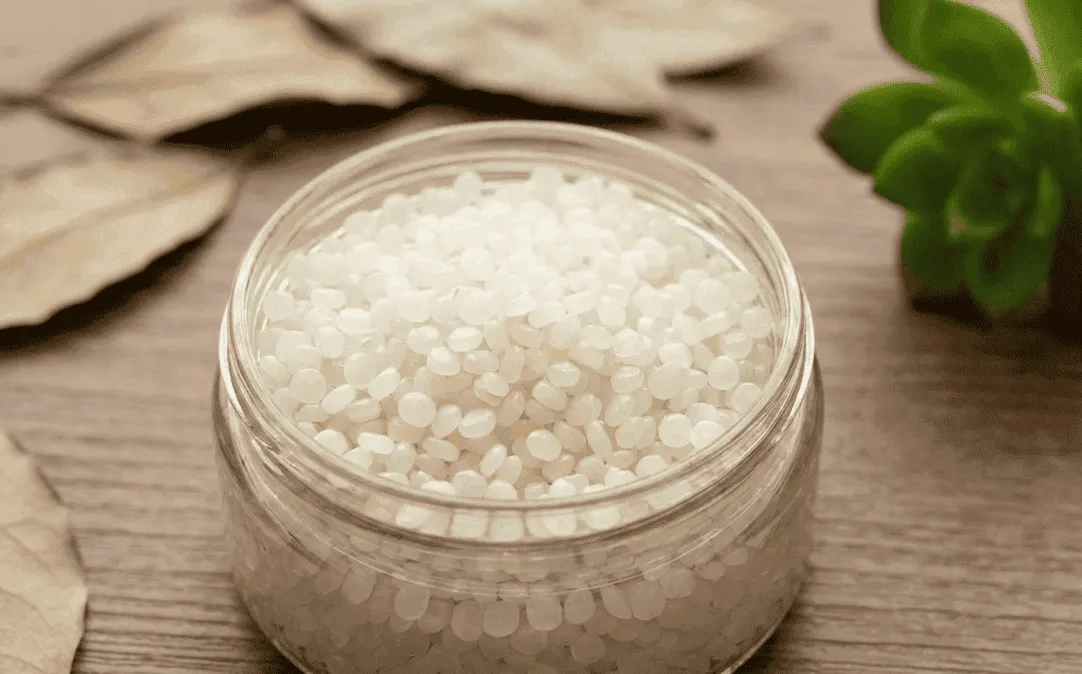
Plant-based plastic resins
Premium PLA vs Commodity PLA
Premium PLA (NatureWorks Ingeo, Total Corbion, etc.)
- Consistent molecular weight distribution
- Low impurities and residual lactide
- Predictable crystallization behavior
- Reliable mechanical properties from one batch to the next
- Full traceability and quality documentation
Commodity PLA (Generic sources)
- Variable quality between batches
- May contain recycled or off-spec materials
- Less predictable performance
- Limited technical support
- Inconsistent appearance (yellowing, clarity issues)
Composite Materials
Many high-performance plant-based products blend multiple materials to balance properties:
PLA + Natural Fibers
- Wheat straw fibers + PLA. Better rigidity, lower cost.
- Wood fibers + PLA. Natural look, improved strength.
- Rice hulls + PLA. Less petroleum content, distinct appearance.
PLA + PHA Blends
- Combines PLA's cost with PHA's heat resistance
- Balances performance and price
- Can offer middle-ground composting requirements
PLA + Plasticizers and Modifiers
- Impact modifiers prevent brittleness
- Heat stabilizers improve temperature tolerance
- Processing aids keep manufacturing consistent

PHA straws
Performance Factors That Reveal Quality
1. Consistency
Premium materials perform the same straw to straw, box to box, month to month. Quality issues show up as:
- Some straws crack easily while others don't
- Color variations between batches
- Inconsistent dimensions (diameter, wall thickness)
2. Brittleness vs Flexibility
Quality formulations get the balance right:
- Too brittle. Cracks when bent or dropped.
- Too flexible. Collapses when inserted in thick drinks.
- Just right. Firm but resilient, like quality plastic.
3. Surface Finish
- Premium. Smooth, glossy, no defects.
- Standard. Minor surface texture is OK.
- Poor. Rough spots, pitting, discoloration.
4. Wall Thickness
For drinking straws, wall thickness is one of the biggest drivers of real-world strength:
- Thin commodity straws (0.05–0.15 mm). Prone to cracking, bending, and collapse.
- Standard market range (0.10–0.20 mm). Acceptable for light use but inconsistent.
- Premium construction (0.2 mm). Thicker walls for crush resistance and all-day rigidity.
5. Clarity (for transparent straws)
- Premium. Crystal clear, like glass.
- Standard. Slight haze is acceptable.
- Poor. Yellow tint, cloudiness, streaks.
How PureStalk Manages Quality
- Science-Backed development. Formulations developed by a team with PhD degrees with deep expertise in polymer science and environmental engineering, ensuring best-in-class performance.
- In-house resins. Proprietary plant-based resins developed by PlastScienc Inc.
- Premium third-party resins. We work with leading PLA and PHA manufacturers.
- Proprietary blends. Formulations tuned for each product type.
- Batch testing. Products tested every ten minutes from the production line.
- Process control. Consistent manufacturing parameters across runs.
- Incoming inspection. Raw materials tested before they go into production.
- Customer feedback loop. Real-world performance feeds back into improvements.
See the Difference for Yourself
Order samples and compare PureStalk's plant-based products against the alternatives you're using now.
Red Flags When Spotting Low-Quality Products
- "Plant-based" without specifying PLA, PHA, or another defined material
- Vague environmental claims with no test standard
- Unusually low prices, 30%+ below market
- Supplier can't provide material specifications or test data
- Customer reviews mentioning cracking, breaking, or inconsistency
- No information about resin source or manufacturing location
Questions to Ask Suppliers
- What specific resin do you use? (Brand name, grade.)
- What certifications do your products hold?
- Can you provide material datasheets and test reports?
- What additives are in your formulation?
- Where are products manufactured?
- What quality control processes do you use?
- What is the minimum wall thickness? (Look for at least 0.2 mm on premium straws.)
- Can you provide samples from multiple production batches?
The Bottom Line
Premium plant-based materials cost a bit more, but they deliver:
- Consistent performance that builds customer confidence
- Fewer complaints and replacements
- Better brand representation
- Reliable supply chain
- Real compostability without surprises
Don't Settle for Commodity Quality
PureStalk uses premium materials and proprietary CelluMeld™ formulations so every straw performs the way it should.
Shop Now